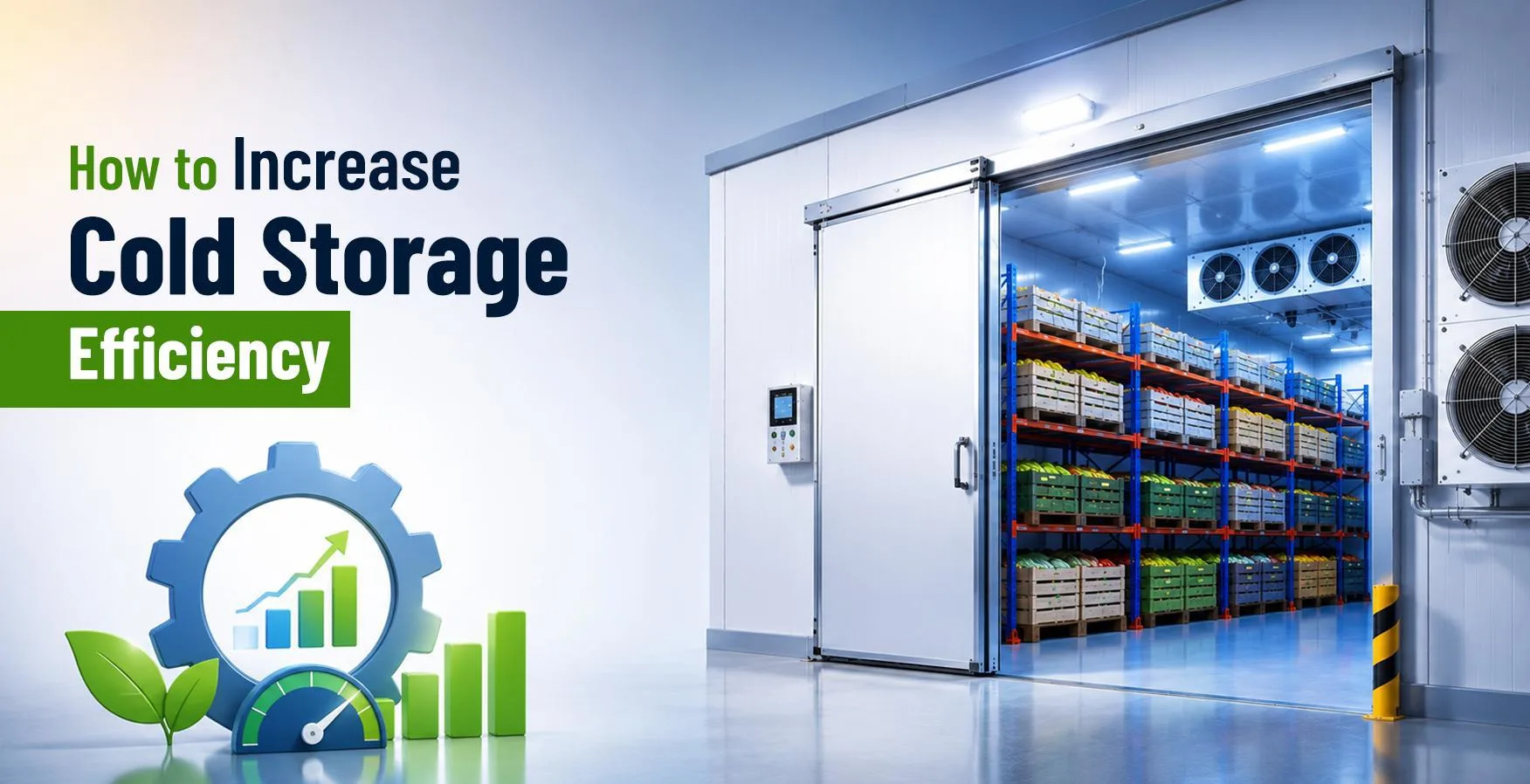
How to Increase Cold Storage Efficiency
Table of Contents
Introduction
Why Cold Storage Efficiency Matters
1. Keep Insulation in Good Condition
2. Avoid Unnecessary Door Opening
3. Service Equipment Regularly
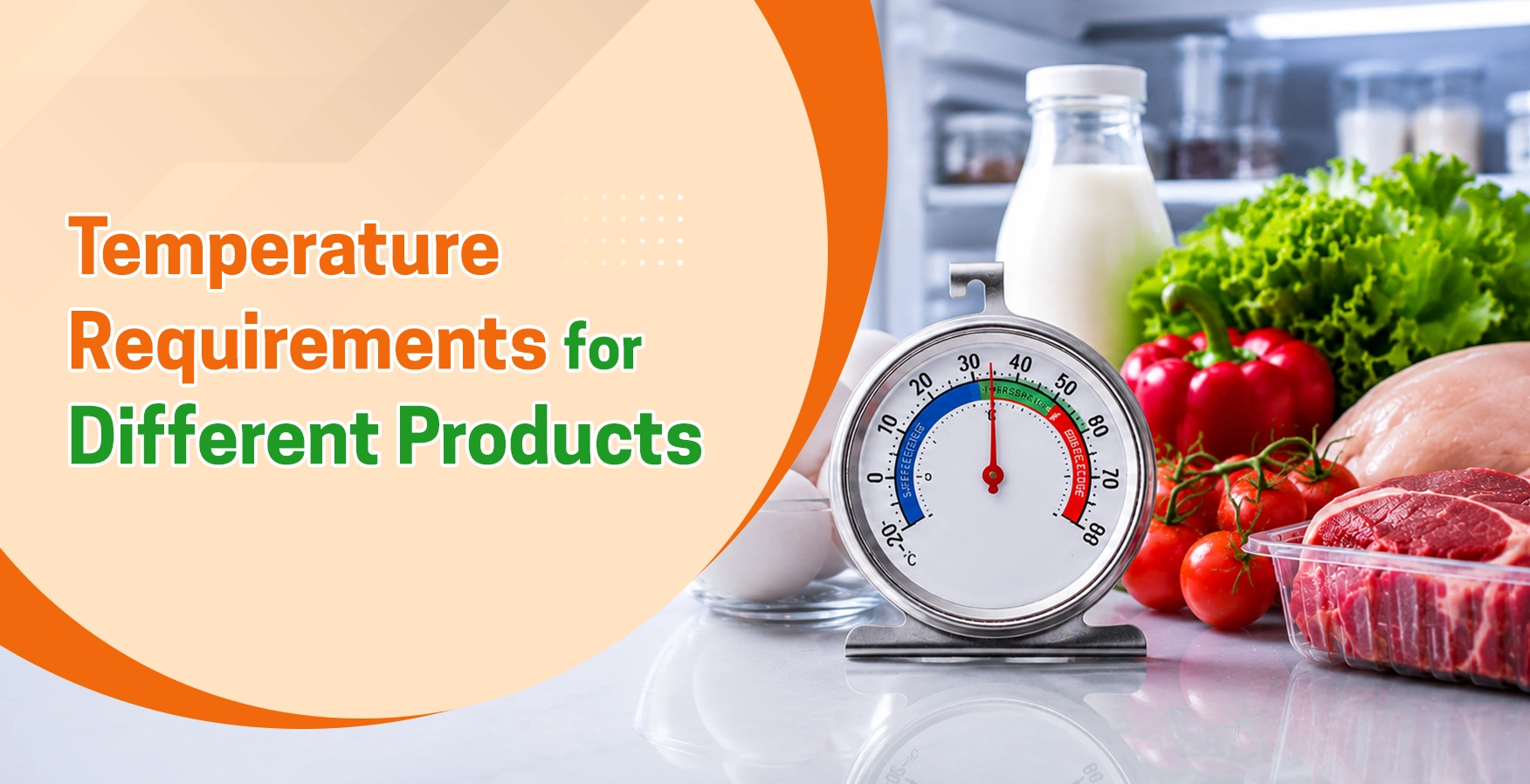
4. Store Products at the Right Temperature
5. Monitor System Performance
Efficiency Starts with Consistency
Better Efficiency Means Better Business
Final Throughts
Introduction
Running a cold storage system is not just about keeping products cold.
It is also about controlling costs, protecting product quality, and getting the best performance from your refrigeration system.
Many cold storage owners focus on storage capacity when planning a facility. However, over time, efficiency becomes just as important.
A more efficient cold storage can help:
-
Reduce electricity costs
-
Improve cooling performance
-
Protect product quality
-
Reduce maintenance issues
-
Improve long-term profitability
The good news is that improving efficiency does not always require major investments.
In many cases, small improvements and good operating practices can make a significant difference.
Let's look at some simple ways to increase cold storage efficiency.
-
Why Cold Storage Efficiency Matters
-
1. Keep Insulation in Good Condition
-
2. Avoid Unnecessary Door Opening
-
3. Service Equipment Regularly
-
4. Store Products at the Right Temperature
-
5. Monitor System Performance
-
Efficiency Starts with Consistency
-
Better Efficiency Means Better Business
Let’s talk about these one-by-one.
Why Cold Storage Efficiency Matters
Cold storage Systems work 24 hours a day. Compressors, fans, condensers, evaporators, lighting, and control systems all consume electricity.
When a cold storage operates inefficiently, it can lead to:
-
Higher electricity bills
-
Increased operating costs
-
More wear and tear on equipment
-
Reduced cooling performance
-
Product quality issues
Improving efficiency helps ensure that every unit of energy is used effectively.
1. Keep Insulation in Good Condition
One of the most important factors in cold storage efficiency is insulation.
Insulation helps keep the cooling inside the storage room.
If walls, doors, panels, or roofing are damaged, cooling can escape and warm air can enter.
As a result:
-
The refrigeration system works harder
-
More electricity is consumed
-
Operating costs increase
Example:
If a cold room door has gaps or damaged insulation, cold air can continuously escape. The refrigeration system then has to run longer to maintain the required temperature, increasing electricity consumption.
Regular inspections can help identify insulation issues before they become expensive problems.
2. Avoid Unnecessary Door Opening
Every time a cold room door opens, warm air enters the storage area.
The refrigeration system then has to remove that heat and bring the temperature back to the required level.
Frequent door opening can result in:
-
Increased energy consumption
-
Temperature fluctuations
-
Reduced cooling efficiency
Example:
If workers repeatedly open the cold room door while loading products, warm air enters each time. The refrigeration system must work harder to restore the correct temperature.
Simple practices such as keeping doors closed when not in use and planning product movement efficiently can help reduce energy loss.
3. Service Equipment Regularly
Many cold storage operators wait until something breaks before scheduling maintenance.
This can reduce system efficiency and increase operating costs.
Dirty condensers, blocked coils, worn components, and refrigerant issues can force equipment to work harder than necessary.
Regular servicing helps:
-
Improve cooling performance
-
Reduce electricity consumption
-
Extend equipment life
-
Prevent unexpected breakdowns
Example:
A condenser covered with dust cannot release heat efficiently. As a result, the refrigeration system consumes more electricity while providing the same cooling performance.
Preventive maintenance is often less expensive than emergency repairs.
4. Store Products at the Right Temperature
Many people believe that lower temperatures automatically mean better storage.
However, every product has its own ideal storage temperature.
Cooling products below their required temperature can waste electricity without providing additional benefits.
For example:
-
Fruits and vegetables require different temperatures than frozen foods.
-
Dairy products have different storage requirements than pharmaceuticals.
Example:
If potatoes are stored at a much lower temperature than recommended, the extra cooling increases electricity consumption without improving product quality.
The goal should always be to maintain the correct temperature, not simply the lowest temperature possible.
5. Monitor System Performance
Small problems often become expensive problems when they go unnoticed.
Monitoring helps operators identify issues before they affect cooling performance.
Important areas to monitor include:
-
Room temperature
-
Humidity levels
-
Equipment performance
-
Energy consumption
Example:
A small increase in room temperature may indicate a refrigeration issue. Detecting it early can prevent product losses and avoid a costly breakdown later.
Regular monitoring allows operators to make adjustments quickly and maintain perfect operation.
Efficiency Starts with Consistency
Many people search for one solution that will suddenly reduce the electricity costs.
In reality, cold storage efficiency is usually the result of many small improvements working together.
Good insulation.
Regular inspection and maintenance.
Proper temperature control.
Reduced door opening.
Performance monitoring.
Every improvement may look small, but together they can create significant long-term benefits.
Better Efficiency Means Better Business
An efficient cold storage does more than reduce electricity bills.
It also helps:
-
Protect product quality and shelf life
-
Improve cooling performance
-
Reduce maintenance issues
-
Extend equipment life
-
Support long-term profitability
That is why efficiency should not be viewed as an expense.
It should be viewed as an investment in the future of the business.
Final Thoughts
Improving cold storage efficiency does not always require major upgrades or large investments.
Often, it starts with simple habits and consistent maintenance.
By properly maintaining insulation, reducing unnecessary door opening, servicing equipment regularly, storing products at the correct temperature, and monitoring system performance, businesses can improve cooling efficiency and reduce operating costs.
Remember:
A high-performing cold storage is not the one that creates so much cooling, it is the system that uses cooling in the most smart and advanced way possible and improves your business.
Looking to Improve Your Cold Storage Performance?
Nandikoti helps businesses develop efficient cold storage system and refrigeration solutions designed for reliable performance and long-term value.
Contact Us: +91 9426444495 | +91 9624121156
Email: [email protected]Visit: https://nandikoti.com/
Table of Contents
Introduction
Why Cold Storage Efficiency Matters
1. Keep Insulation in Good Condition
2. Avoid Unnecessary Door Opening
3. Service Equipment Regularly
4. Store Products at the Right Temperature
5. Monitor System Performance
Efficiency Starts with Consistency
Better Efficiency Means Better Business
Final Throughts
Introduction
Running a cold storage system is not just about keeping products cold.
It is also about controlling costs, protecting product quality, and getting the best performance from your refrigeration system.
Many cold storage owners focus on storage capacity when planning a facility. However, over time, efficiency becomes just as important.
A more efficient cold storage can help:
-
Reduce electricity costs
-
Improve cooling performance
-
Protect product quality
-
Reduce maintenance issues
-
Improve long-term profitability
The good news is that improving efficiency does not always require major investments.
In many cases, small improvements and good operating practices can make a significant difference.
Let's look at some simple ways to increase cold storage efficiency.
-
Why Cold Storage Efficiency Matters
-
1. Keep Insulation in Good Condition
-
2. Avoid Unnecessary Door Opening
-
3. Service Equipment Regularly
-
4. Store Products at the Right Temperature
-
5. Monitor System Performance
-
Efficiency Starts with Consistency
-
Better Efficiency Means Better Business
Let’s talk about these one-by-one.
Why Cold Storage Efficiency Matters
Cold storage Systems work 24 hours a day. Compressors, fans, condensers, evaporators, lighting, and control systems all consume electricity.
When a cold storage operates inefficiently, it can lead to:
-
Higher electricity bills
-
Increased operating costs
-
More wear and tear on equipment
-
Reduced cooling performance
-
Product quality issues
Improving efficiency helps ensure that every unit of energy is used effectively.
1. Keep Insulation in Good Condition
One of the most important factors in cold storage efficiency is insulation.
Insulation helps keep the cooling inside the storage room.
If walls, doors, panels, or roofing are damaged, cooling can escape and warm air can enter.
As a result:
-
The refrigeration system works harder
-
More electricity is consumed
-
Operating costs increase
Example:
If a cold room door has gaps or damaged insulation, cold air can continuously escape. The refrigeration system then has to run longer to maintain the required temperature, increasing electricity consumption.
Regular inspections can help identify insulation issues before they become expensive problems.
2. Avoid Unnecessary Door Opening
Every time a cold room door opens, warm air enters the storage area.
The refrigeration system then has to remove that heat and bring the temperature back to the required level.
Frequent door opening can result in:
-
Increased energy consumption
-
Temperature fluctuations
-
Reduced cooling efficiency
Example:
If workers repeatedly open the cold room door while loading products, warm air enters each time. The refrigeration system must work harder to restore the correct temperature.
Simple practices such as keeping doors closed when not in use and planning product movement efficiently can help reduce energy loss.
3. Service Equipment Regularly
Many cold storage operators wait until something breaks before scheduling maintenance.
This can reduce system efficiency and increase operating costs.
Dirty condensers, blocked coils, worn components, and refrigerant issues can force equipment to work harder than necessary.
Regular servicing helps:
-
Improve cooling performance
-
Reduce electricity consumption
-
Extend equipment life
-
Prevent unexpected breakdowns
Example:
A condenser covered with dust cannot release heat efficiently. As a result, the refrigeration system consumes more electricity while providing the same cooling performance.
Preventive maintenance is often less expensive than emergency repairs.
4. Store Products at the Right Temperature
Many people believe that lower temperatures automatically mean better storage.
However, every product has its own ideal storage temperature.
Cooling products below their required temperature can waste electricity without providing additional benefits.
For example:
-
Fruits and vegetables require different temperatures than frozen foods.
-
Dairy products have different storage requirements than pharmaceuticals.
Example:
If potatoes are stored at a much lower temperature than recommended, the extra cooling increases electricity consumption without improving product quality.
The goal should always be to maintain the correct temperature, not simply the lowest temperature possible.
5. Monitor System Performance
Small problems often become expensive problems when they go unnoticed.
Monitoring helps operators identify issues before they affect cooling performance.
Important areas to monitor include:
-
Room temperature
-
Humidity levels
-
Equipment performance
-
Energy consumption
Example:
A small increase in room temperature may indicate a refrigeration issue. Detecting it early can prevent product losses and avoid a costly breakdown later.
Regular monitoring allows operators to make adjustments quickly and maintain perfect operation.
Efficiency Starts with Consistency
Many people search for one solution that will suddenly reduce the electricity costs.
In reality, cold storage efficiency is usually the result of many small improvements working together.
Good insulation.
Regular inspection and maintenance.
Proper temperature control.
Reduced door opening.
Performance monitoring.
Every improvement may look small, but together they can create significant long-term benefits.
Better Efficiency Means Better Business
An efficient cold storage does more than reduce electricity bills.
It also helps:
-
Protect product quality and shelf life
-
Improve cooling performance
-
Reduce maintenance issues
-
Extend equipment life
-
Support long-term profitability
That is why efficiency should not be viewed as an expense.
It should be viewed as an investment in the future of the business.
Final Thoughts
Improving cold storage efficiency does not always require major upgrades or large investments.
Often, it starts with simple habits and consistent maintenance.
By properly maintaining insulation, reducing unnecessary door opening, servicing equipment regularly, storing products at the correct temperature, and monitoring system performance, businesses can improve cooling efficiency and reduce operating costs.
Remember:
A high-performing cold storage is not the one that creates so much cooling, it is the system that uses cooling in the most smart and advanced way possible and improves your business.
Looking to Improve Your Cold Storage Performance?
Nandikoti helps businesses develop efficient cold storage system and refrigeration solutions designed for reliable performance and long-term value.
Contact Us: +91 9426444495 | +91 9624121156
Email: [email protected]Visit: https://nandikoti.com/